
A satirical exploration of multimodal interactions
This is a speculative multimodal intervention designed to discourage spitting in urban public spaces in India, particularly chewing tobacco and betel nut spitting in public areas like railway stations.
The project explores how embedded sensing, real-time interaction, and cultural + social nudging could shape civic behavior through a layered deterrent system.
⚠️ NOTE: SPECULATIVE & SATIRICAL PROJECT
This project is a critical design fiction that deliberately explores dystopian surveillance scenarios to provoke discussion about privacy, consent, and the ethical boundaries of behavior modification technology. It is not a proposal for actual implementation.
Public spitting, particularly of chewing tobacco and betel nut, remains a persistent issue in Indian cities, contributing to unhygienic conditions and visual pollution.
Traditional deterrents like religious symbols painted on walls have shown some effectiveness by leveraging cultural respect for the divine. People tend to avoid defacing spaces associated with religious imagery. However, these interventions are static, limited in reach, and increasingly ineffective in high-traffic urban areas.
With the projected widespread adoption of affordable AR glasses and advances in computer vision, this speculative project asks:
What if we could dynamically deploy these cultural deterrents at scale through a pervasive surveillance infrastructure?
Project Timeline
004
Defining Problem Statement
Identified an area of intervention that could benefit from a multimodal interactions
Storyboarding & Moodboards
Explored cultural nudges through speculative thinking and visualized how the interactions could feel embedded and multimodal
Rough Cut & Experience Map
Translated my vision into an experiential form by creating an early rough-cut video prototype through detailed planning and scripting
Final Cut
Reshot the video in the context it was meant for and adapted shots based on location-specific realities
Critical Analysis
Reflected on behavior change and ethical tension by evaluating what the system implies, framing the project as a provocation not solution
The Hypotheses
I started with a set of assumptions I planned to test or interrogate:
01
People hesitate when they feel watched, especially by culturally significant imagery.
02
Multimodal feedback (visual + haptic + audio) increases attention and interruptive force.
03
Escalation patterns can shift people from intrinsic self-regulation to social accountability , extrinsic regulation.
04
Immediate, sensory feedback impacts behavior more than delayed enforcement.
These assumptions guided choices in sensing, prediction, and feedback design.
The Research & Insights
This was a speculative project, but clear assumptions helped define what research would be necessary:
Behavioral Insights Needed
What motivates spitting behavior in public? (stress relief, habit, lack of alternatives)
What cultural symbols evoke deference versus indifference?
How do people respond to embarrassment vs authority?
Technical Constraints
Gesture prediction accuracy from vision systems
Latency tolerance, how early can intent be predicted?
Difference between motion noise (e.g., yawning) and real intent
Ethical Considerations
Surveillance vs dignity
Consent for image capture
Risk of misclassification and false detection
Public shaming versus personal rehabilitation
Who is this for
The User Persona
The Station Spitter

"The station isn't mine, the tracks aren't mine, why should I care? I just do my job and move on. It's already dirty; one more stain won't make a difference."
Regularly chews tobacco as a coping mechanism for fatigue and stress during long shifts.
Intermediate tech proficiency and uses a smartphone for UPI payments, social media, and maps.
🎯Goals & Motivations
Uses tobacco to stay alert during physically demanding work
Works in environment where spitting is normalized
Perceives spitting as minor issue compared to overall unsanitary conditions
😓Frustrations & Fears
Lacks easy access to designated disposal areas, platform/tracks the default
Rarely faces penalties despite "No Spitting" signs
Knows spitting contributes to disease but feels powerless
Would be deeply embarrassed if publicly displayed for spitting
📱Tools
Smartphone for calls, messaging, videos during breaks
May wear AR glasses (future workplace safety kit)
Regularly consumes chewing tobacco/paan
Works with railway maintenance equipment
Storyboarding
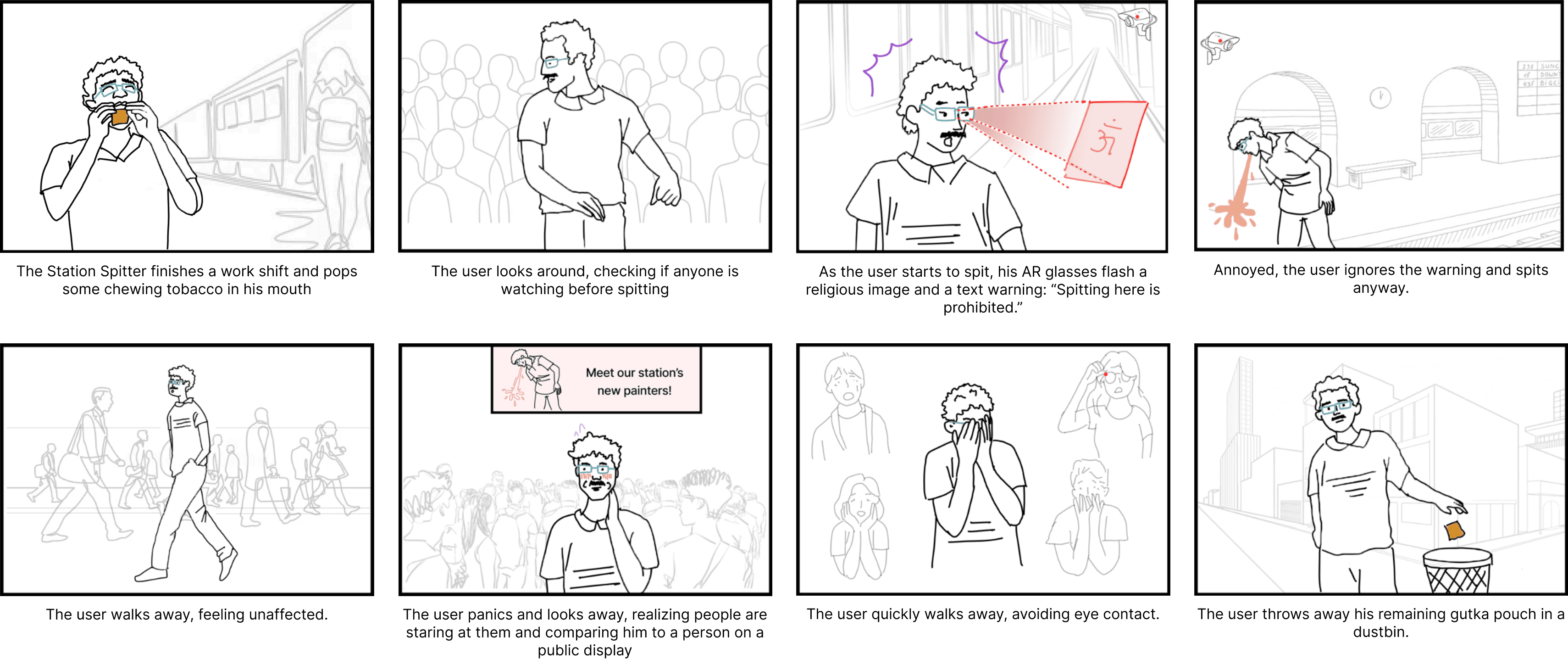
The final idea was that of a hyper-surveilled state where personal devices become tools of state control and cultural values are weaponized for compliance.
To better envision what the intervention would look like in practice, I began by creating a storyboard. This helped me shape the narrative, map out the user flow, and clearly communicate the overall experience
The Rough Cut Video
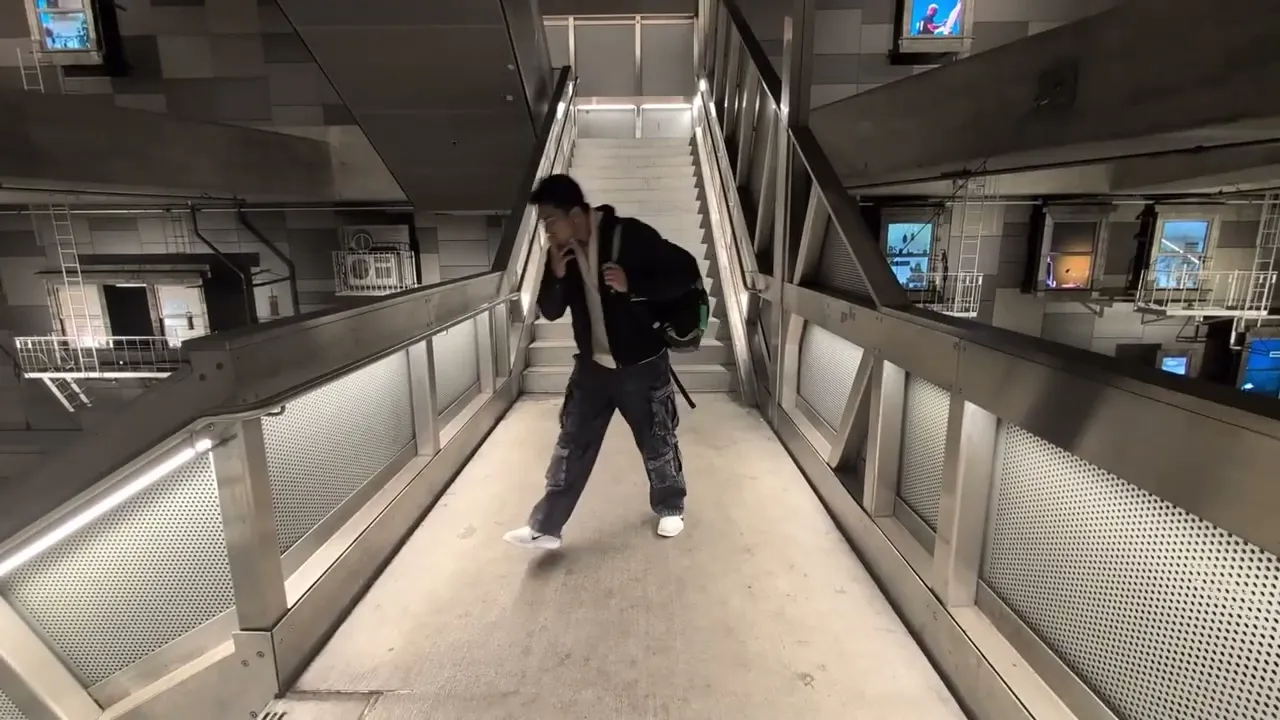
To make the story impactful, the video needed to be filmed in the right context. Since I was in a different country, I planned the shoot strategically to ensure my vision stayed intact. The first draft was filmed in Seattle’s University District, based on a detailed script outlining locations, props, and character movement.
Solution
The Intervention
The rough cut was shared with my friends in Hyderabad as a reference, along with scene-by-scene instructions. Together, we discussed what was feasible in the new setting, the challenges it introduced, and how to adapt the shots while staying true to the narrative.

How it works
To better understand the system, I created a system map outlining all the interactions within the user flow. The intervention functions through a complex network of sensors, computer vision algorithms, AR interfaces, and public displays, working together to detect, deter, and penalize spitting behavior.
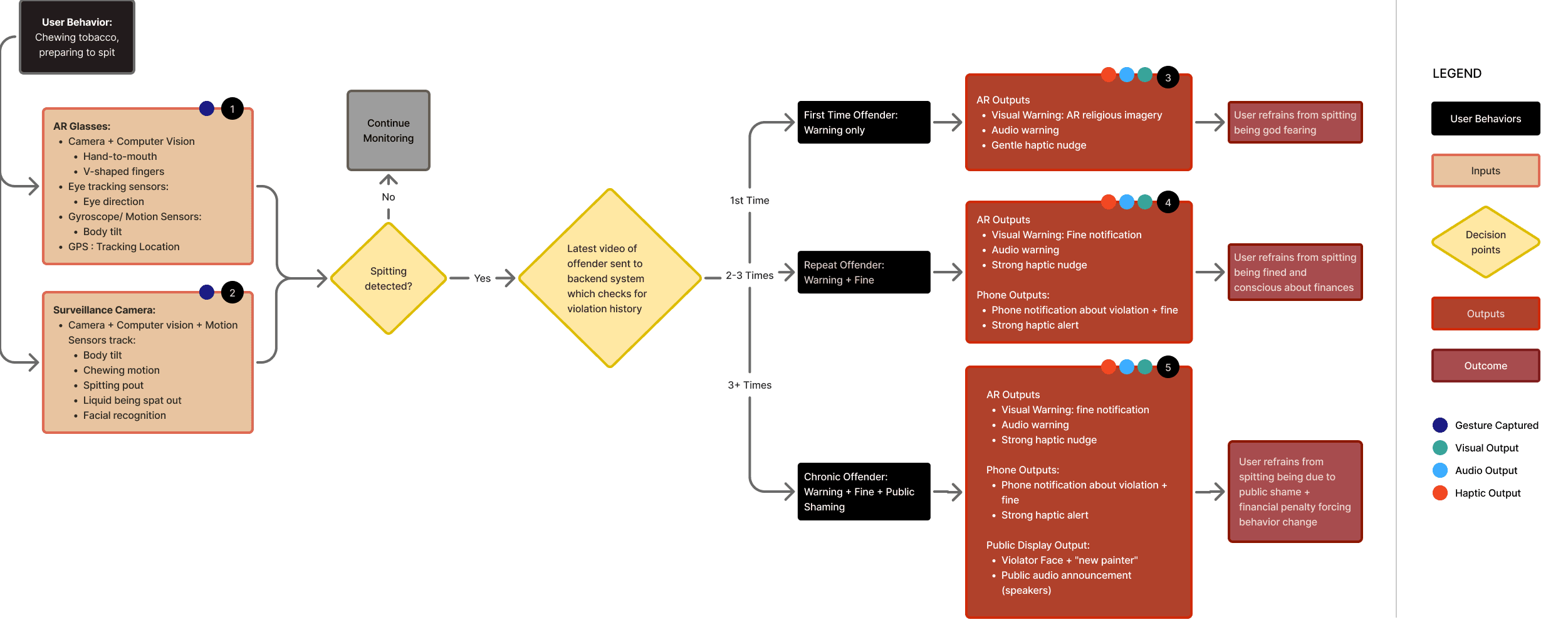
The Inputs
AR Glasses
Tech Specifications @ 01
Hand-to-mouth motion (0-15cm from face)
V-shaped finger detection (fingers 2-8cm apart from each other
Eye direction tracking via infrared cameras
Body tilt via accelerometer/gyroscope, detecting pressure changes
GPS location for exact location in the public space (helps track most commonly littered spaces)
Motion of chewing which may be tracked by muscle and bone movement in jaw and temple area
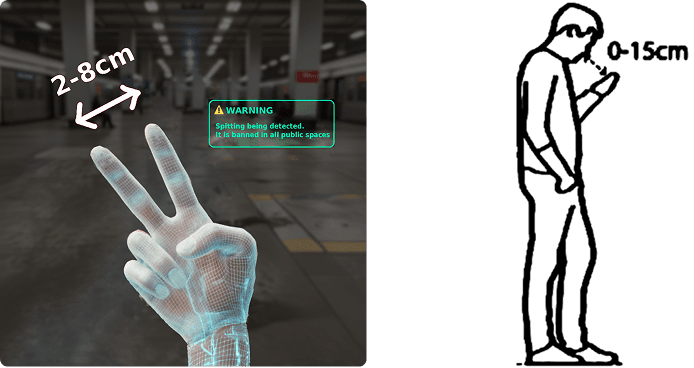
Note: None of these cannot and should not used as a determining factor in isolation. They would need to be cross checked with other interactions being detected by the AR Glasses as well as the ones being detected by the Surveillance Cameras
Surveillance Cameras
Tech Specifications @ 02
Body Tilt- 0 to 60 degree bend - depending on age of person, context and scenario
Person chewing something + V shaped fingers + Pout while spitting + Liquid being spat - Detected via cameras and computer vision
Location, simply uses camera location to cross check user location with GPS on AR Glasses
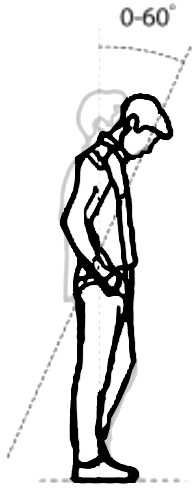
Note: None of these cannot and should not used as a determining factor in isolation. They would need to be cross checked with other interactions being detected by the AR Glasses as well as the ones being detected by the Surveillance Cameras
The Outputs
AR Glasses
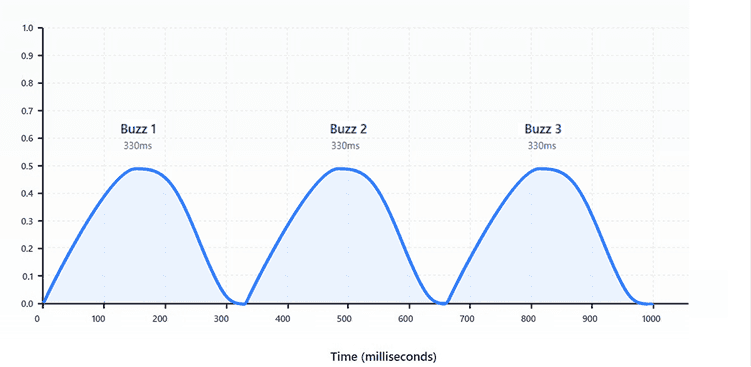
Haptic Output
The haptic response is designed to feel like a gentle, polite nudge, just enough to get your attention. It’s subtle enough not to startle or feel punitive, but noticeable enough to interrupt the behavior and encourage awareness without creating discomfort.
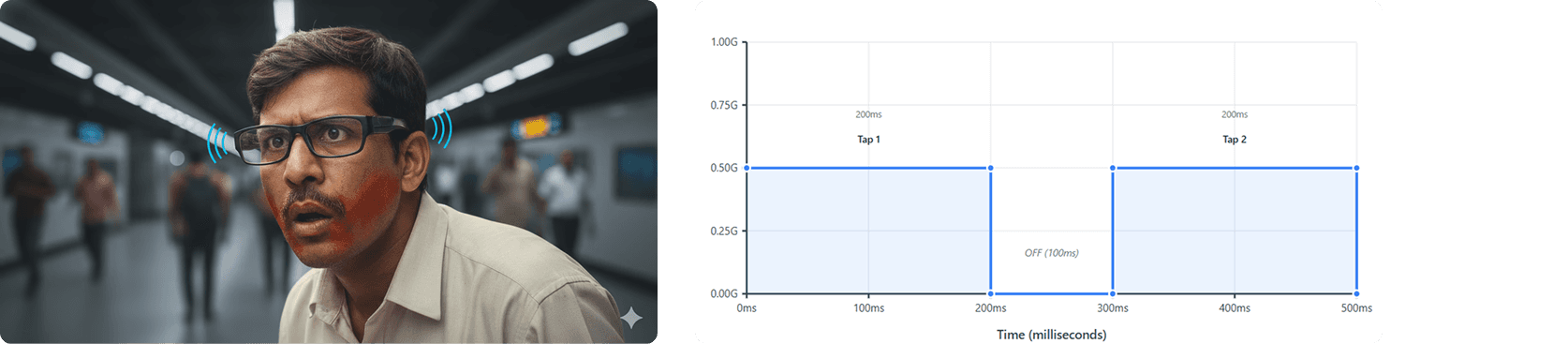
Expand to see the technical details
Audio Output
The audio cue is a short verbal reminder that God is watching them and that they should not litter. It is delivered privately through bone conduction. The tone is firm but respectful, focusing on setting a clear boundary without sounding aggressive or shaming. Using the user’s preferred language helps ensure the message gets across.
Expand to see the technical details
Visual Output
The AR Glasses provide a brief warning overlay, tapping into the intrinsic motivation of the violators being God-fearing. It shifts the user’s attention away from the surroundings for a moment, creating a mild sense of seriousness. The goal is to reinforce the message clearly while still maintaining dignity and avoiding public embarrassment or excessive fear.
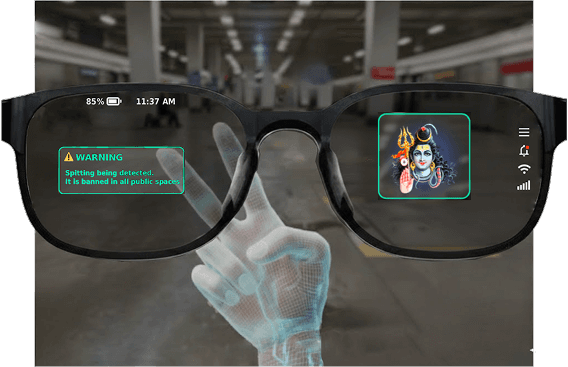
Expand to see the technical details
AR Glasses
Phone
Haptic Output
Both the AR glasses and phone deliver a stronger, longer, escalating buzz that feels uncomfortable and urgent, signaling that this is no longer a simple warning, but a serious repeat violation.
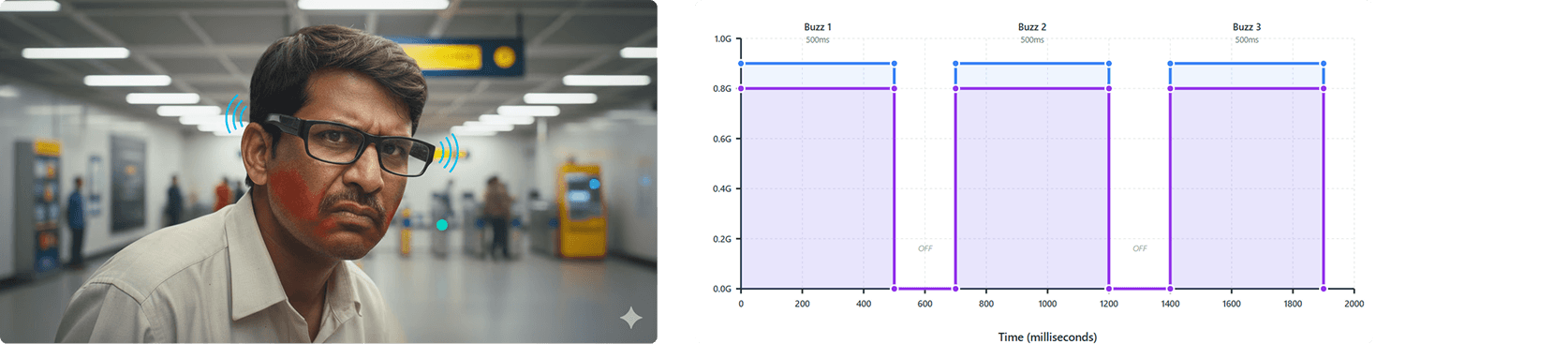
Expand to see the technical details
Audio Output
The AR glasses deliver a stern spoken message that clearly states the fine amount, while the phone plays a distinct alert sound loud enough to cut through distractions, which reinforces accountability. The phone’s audible cue also adds a subtle layer of public shaming.
Expand to see the technical details
Visual Output
Both devices display a clear notification stating the offense and the fine, with the AR view briefly dimming the background to ensure focus. On the phone, the message is paired with supporting proof shifting the interaction from “don’t do this” to “this has real consequences."
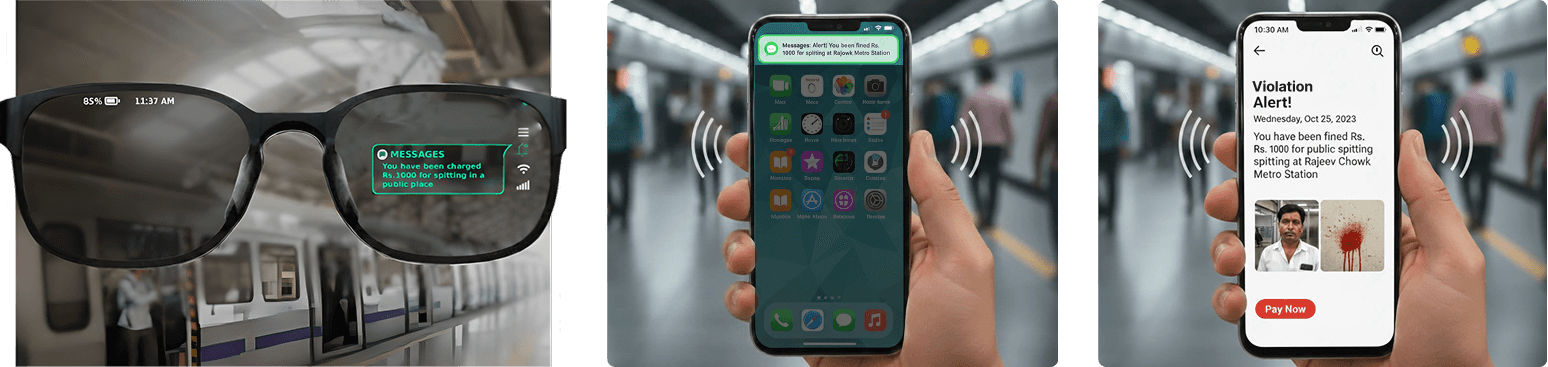
Expand to see the technical details
AR Glasses
Phone
BillBoard
PA System
Haptic Output
Both the AR glasses and phone deliver continuous, strong pulses that repeat until acknowledged. The idea is to create persistent physical discomfort that forces the user to engage with the violation, emphasizing serious consequences.
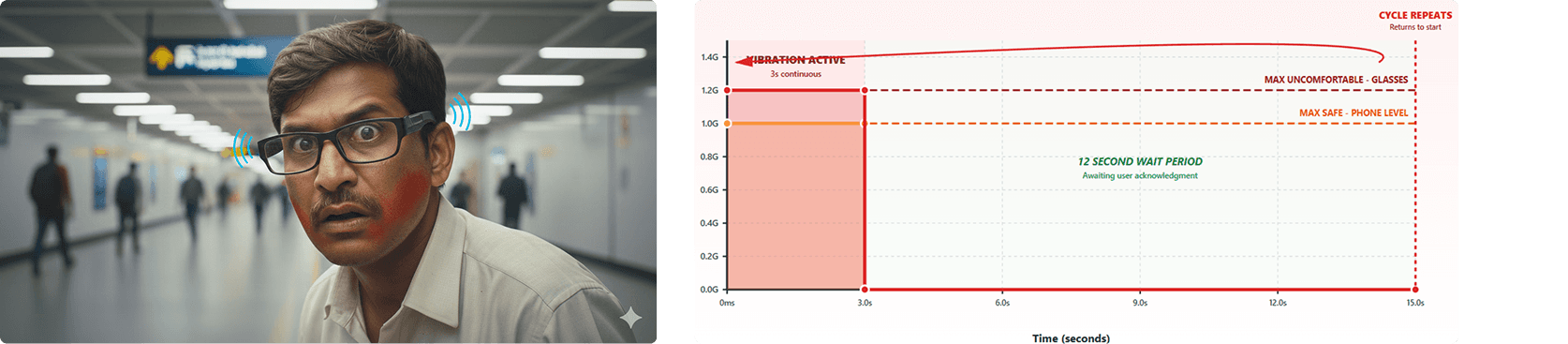
Expand to see the technical details
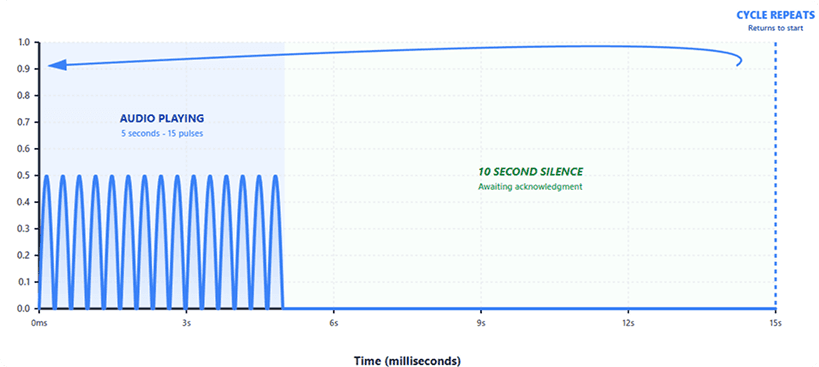
Audio Output
Audio shifts into public, attention-grabbing warnings. The AR glasses deliver a mocking message about the fine, the phone sounds a loud siren, and station PA announcements broadcast the offense to others. This combination uses social pressure and embarrassment to reinforce accountability
Expand to see the technical details
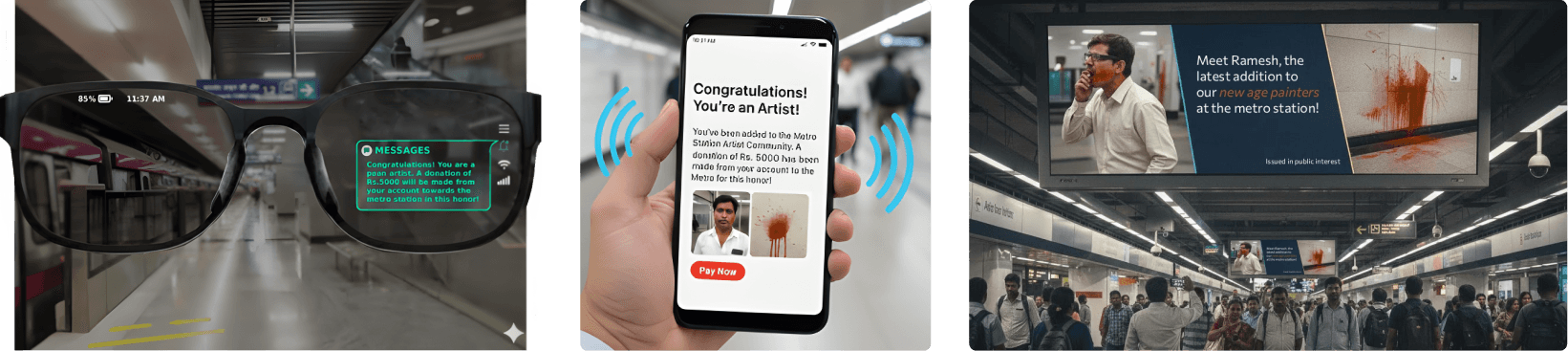
Visual Output
The violation is boldly displayed across the AR glasses, the phone, and public billboards, along with proof of the act and the fine amount. This ensures the offender sees the seriousness of their actions, while also publicly highlighting the offense to maximize social accountability and discourage further violations.
Expand to see the technical details
Reflection
Critical Reflection
This speculative design deliberately provokes uncomfortable questions about the future of behavior modification technology. While positioned as a solution to a genuine urban problem, the intervention reveals a disturbing reality: the infrastructure required to implement it represents a hyper-surveilled dystopia where personal devices become tools of state control and cultural values are weaponized for compliance.
The system assumes that cleanliness justifies pervasive monitoring, that religious fear can be systematically exploited, and that public shaming is an acceptable method of behavioral control. It presupposes universal AR adoption while glossing over the massive power asymmetries this creates between the watchers and the watched.
Critical Ethical Concerns
Consent Violations:
Cultural Manipulation:
Data Security Breach
Centralized facial recognition databases create massive security risks and potential for abuse.