A VR experience to enhance spatial memory using the Method of Loci
The Method of Loci, also known as the Memory Palace technique, is an ancient memorization strategy that helps people remember non-spatial information by leveraging their spatial memory abilities. While proven effective for both healthy individuals and those with cognitive impairments (1), the traditional technique is often considered complex and requires extensive training to use effectively.
Our team set out to make this powerful memory technique more accessible, engaging, and intuitive through virtual reality.
(1)Willett JDS, Waqas M, Choi Y, Ngai T, Mullin K, Tanzi RE, Prokopenko D. Identification of 16 novel Alzheimer's disease loci using multi ancestry meta analyses. Alzheimer's dement.
⚠️Problem
Traditional Method of Loci techniques face several challenges:
Complexity: The technique requires significant mental effort and imagination to visualize spaces and create associations
Training barrier: Extensive practice is needed before users can effectively apply the method
Abstract nature: Without tangible environments, building a "palace" can feel disconnected and difficult to maintain
Accessibility: Not everyone has the spatial visualization skills needed to succeed with traditional approaches
🎯Project Goal
Make memory training improvement fun, engaging, and effective through VR by turning abstract memory exercises into an immersive, interactive experience.
Studies have shown that while the Method of Loci increases memory recall performance, its complexity limits widespread adoption. We saw an opportunity to leverage VR technology to overcome these barriers.
Project Timeline
004
The Research
We reviewed research on the Method of Loci and VR-based memory techniques to guide our design.
Sketches & Storyboards
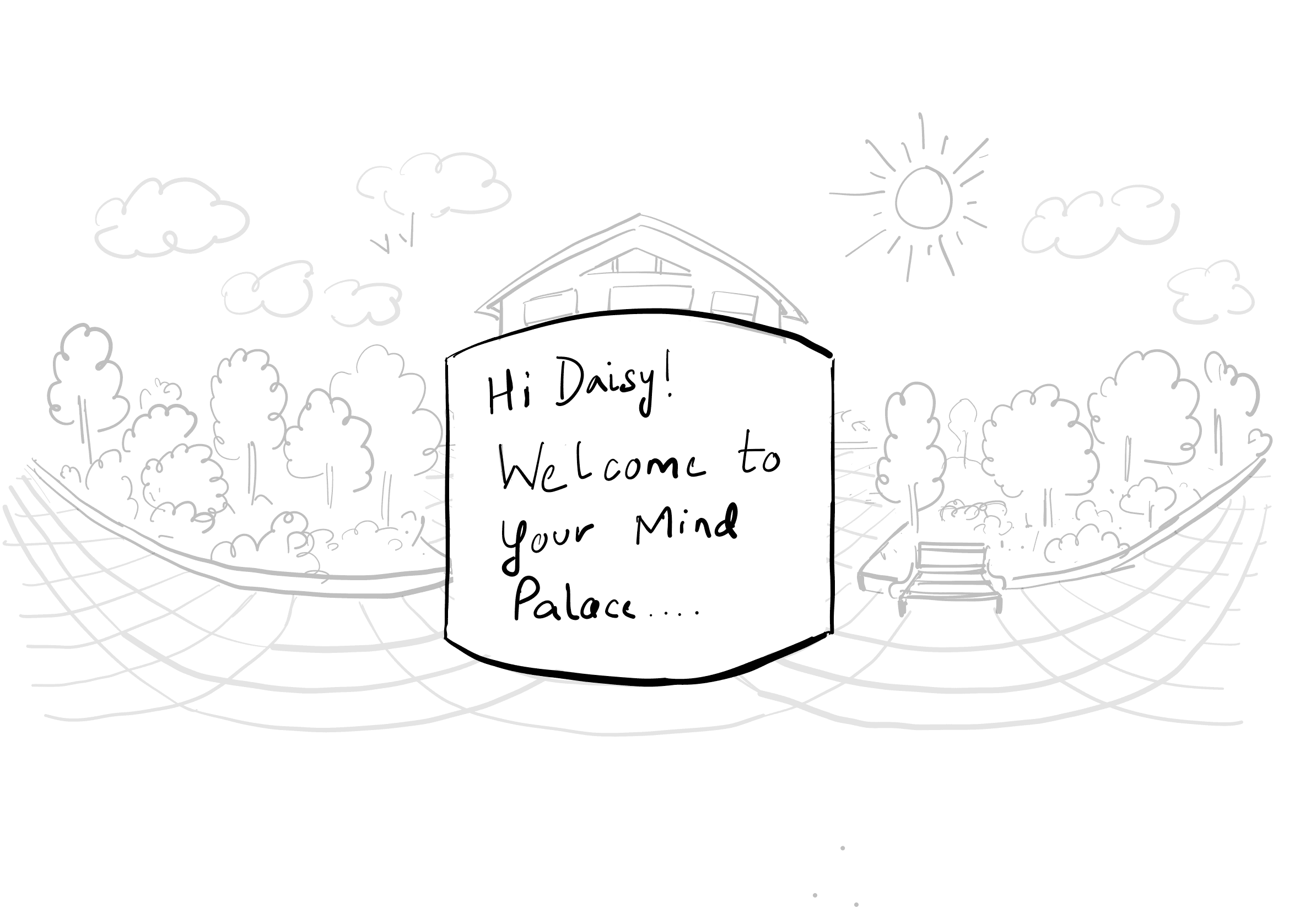
We mapped user navigation, interactions, and memory associations to define the user journey
Low-Fidelity Prototyping
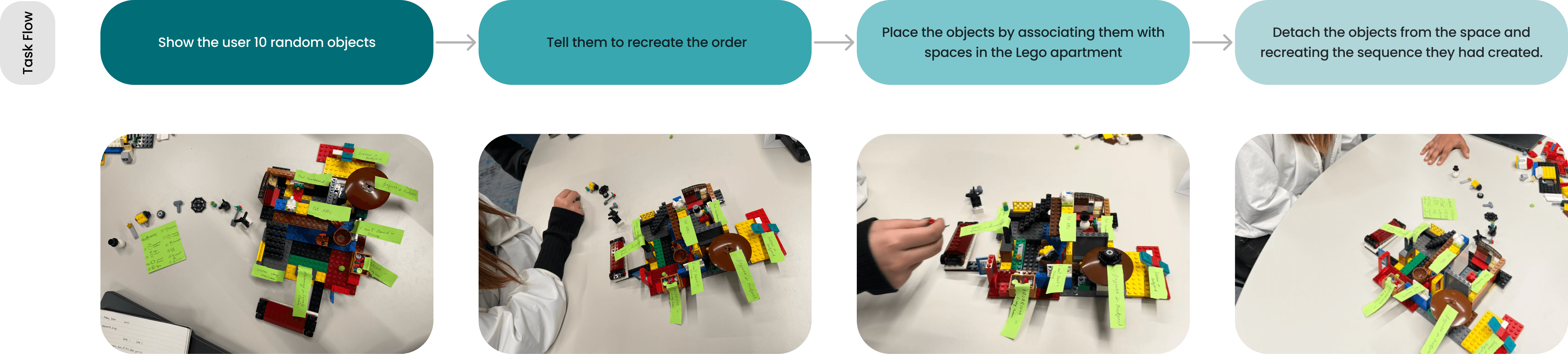
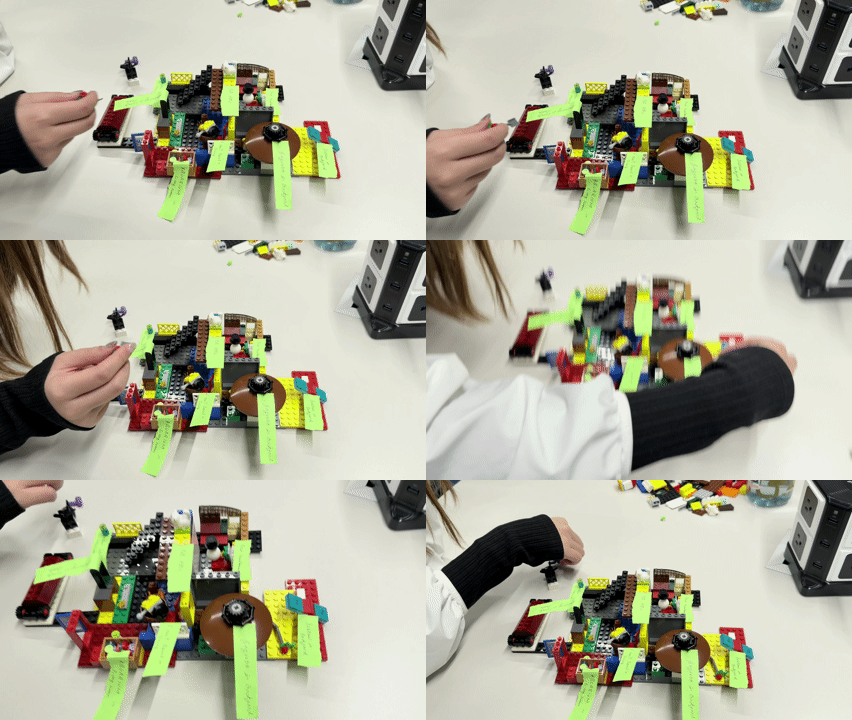
We used a Lego apartment as a memory palace to test spatial recall with 10 objects before moving to VR, helping us understand user behavior before committing to VR development.
VR Prototyping
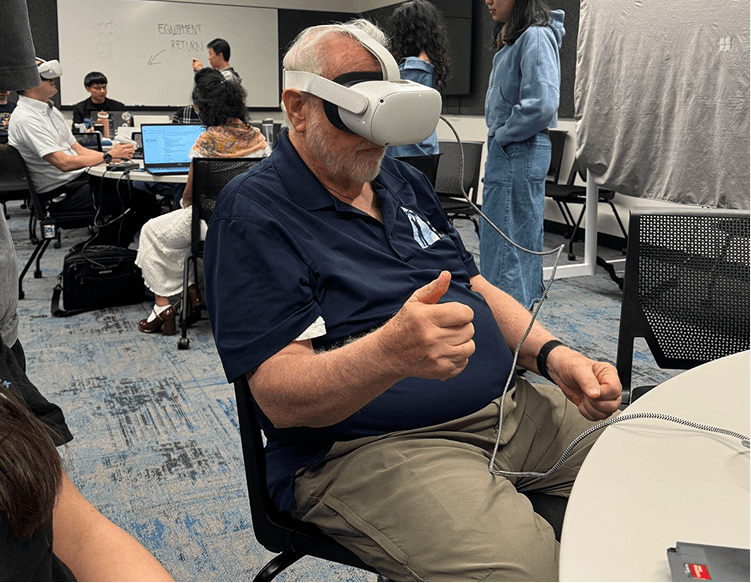
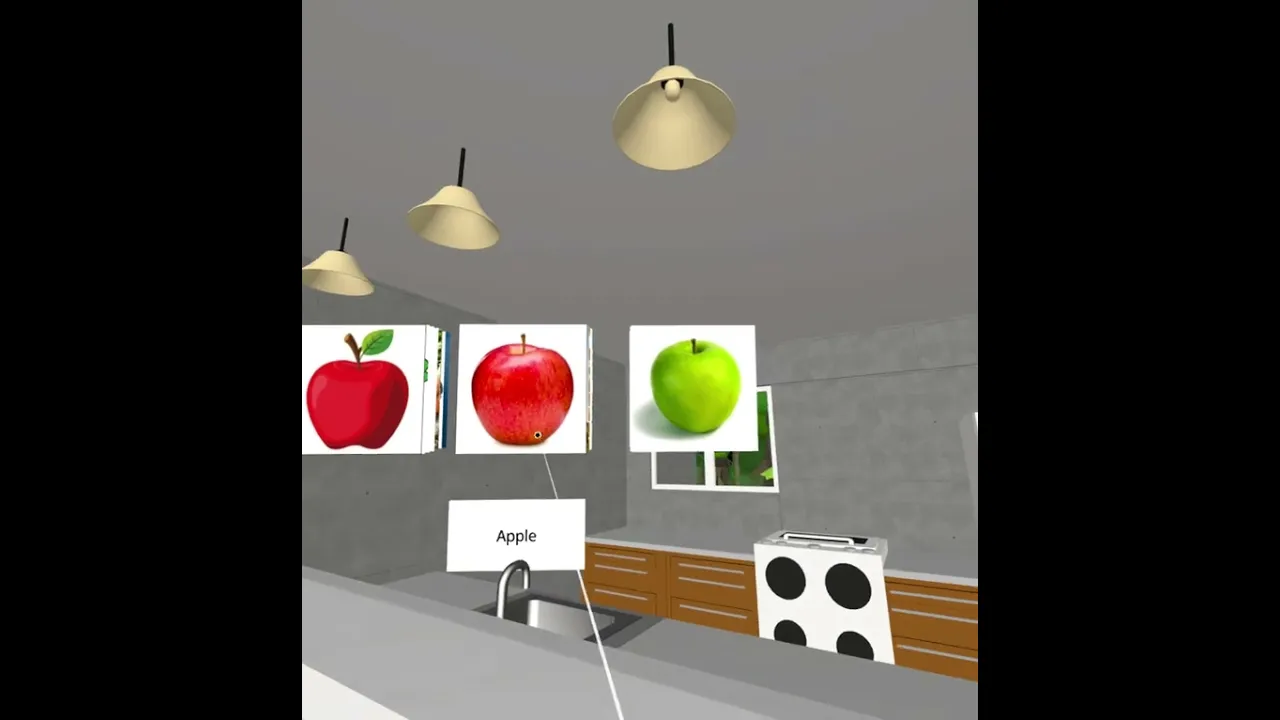
We built the experience in Unity and later migrated to CoSpaces to create an immersive VR memory palace using the Meta Oculus.
The Research
005
Why VR?
📄 Research-Backed Benefits
Immersive environments make the technique intuitive and interactive
Studies indicate VR improves memory recall compared to traditional methods (2)
Multiple sensory inputs strengthen memory formation
Provides measurable indication of cognitive improvements
(2) Montana Jl, Tuena C. Serino S. Cipresso P. Riva G. Neurorehabilitation of Spatial Memory Using Virtual environments: a systemic review
🎨 Design Advantages
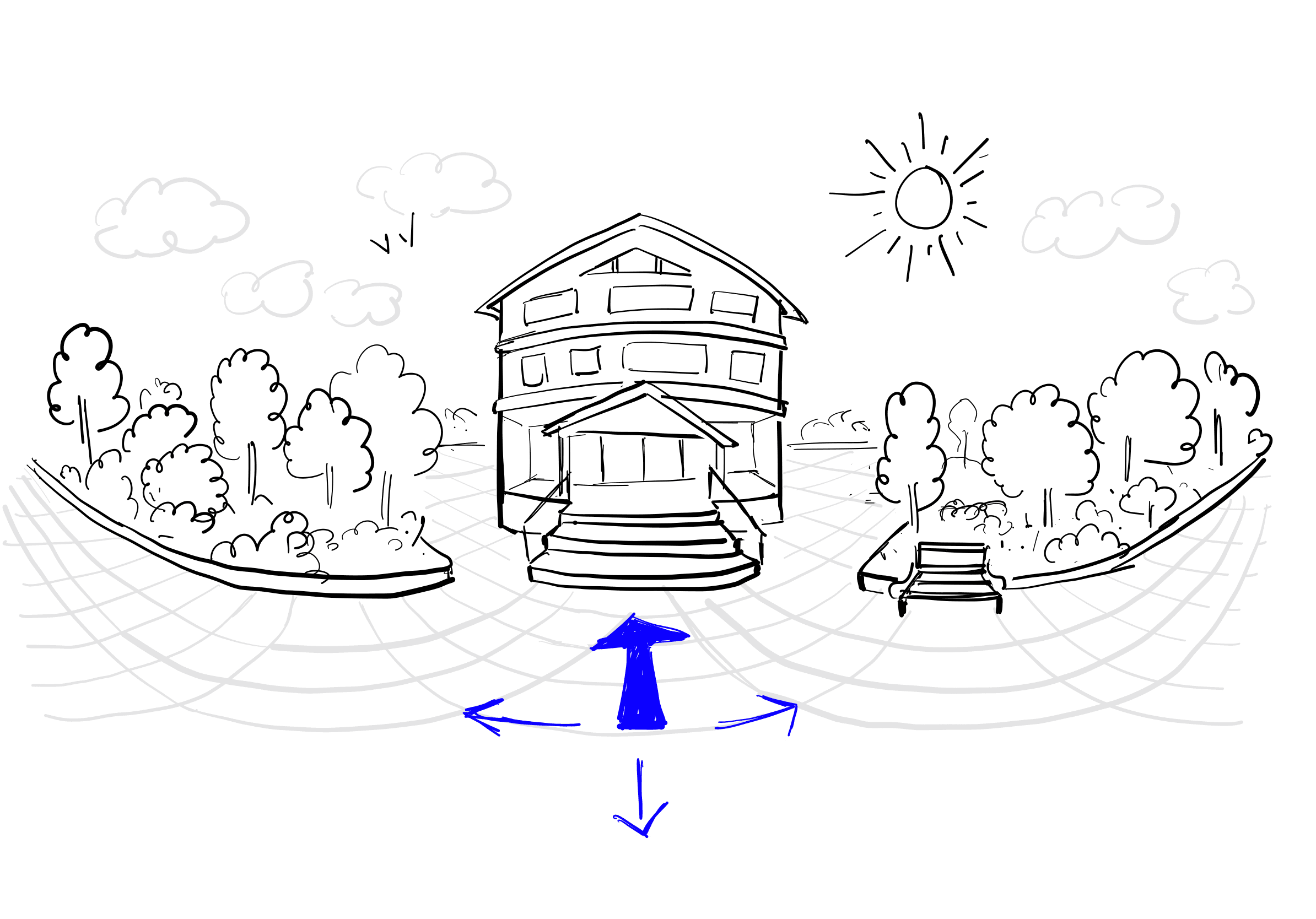
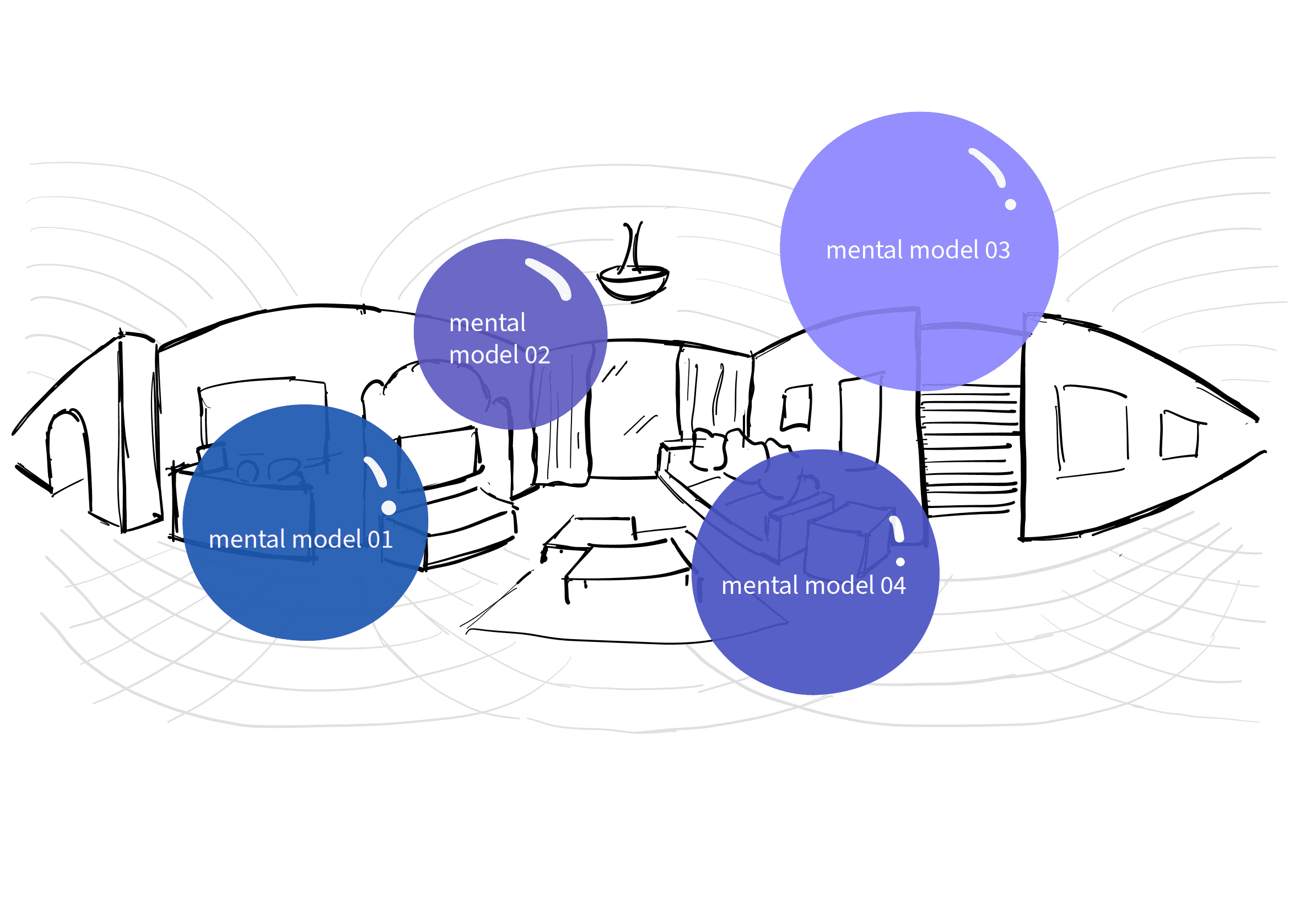
Familiar locations leverage existing mental models
Highly imageable objects with text follow dual coding theory
Interactive placement gives users control and personalization
Low-pressure environment aids memorization
Sketches and Storyboarding
We mapped user navigation, interactions, and memory associations to define the user journey
Low-Fidelity Prototyping
Learnings from this exercise:
01
Serial Position Effect
First and last items were recalled best, aligning with primacy and recency effects observed in memory research.
02
Association Patterns
Object recall was influenced by color, function, and category-based associations with rooms. Users naturally grouped items by logical connections.
03
Spatial Strategy
Minimal space encouraged people to place bizarre objects in unusual locations to build stronger associations and aid memory retention.
How it works
Calming Environment
Users start in a familiar, low-pressure VR environment. Research shows that creating a space that feels comfortable and familiar aids memorization.
Personalized Placement
Users see 10 highly imageable words one at a time. Each word comes with three images. Participants choose an image to place in the house, giving them control and personalization, both proven to boost recall.
Active Recall
Users move to an identical version of the house without the images. As they walk through, we ask them to recall what words they saw, where they placed images, and why.
Future Scope
009
How to take this forward
Based on our prototype and testing, we identified several opportunities to expand and improve the experience:
Increase
Difficulty
Expand word list up to 30 items
Use a larger, multi-floor house
Introduce progressive difficulty levels
Test Memory Strategies
Explore grouping similar items by floor or section
Study if categorization improves recall efficiency
Compare different organizational approaches
Augmented Reality Version
Let users build memory palaces in real-world spaces
Leverage familiar environments (home, office)
Boost memory through contextual cues in daily life
Reflections
This project was both challenging and rewarding, teaching us valuable lessons about VR design, research methodology, and the importance of resilience in the design process.
🪝Thorns
Unity complexity: Our team initially prototyped through Unity, which proved unnecessarily difficult for our needs
Research alignment: Executing a VR design for research was challenging without a clear research plan established first
Technical barriers: Constant troubleshooting and debugging slowed our progress
🌹Buds
Technical growth: Working with Unity allowed us to gain resilient programming skills and deeper VR development knowledge
Persistence: We learned the value of troubleshooting and problem-solving under pressure
Resilience: Despite near-constant struggle, we gained an intangible lesson in perseverance and adaptability
Limitiations
VR offers a uniquely immersive way to support spatial learning like the Method of Loci, but it also brings challenges such as:
01
♿ Inaccessibility
XR technology remains expensive and inaccessible to many, and it can introduce additional usability barriers such as a steep learning curve and limited inclusivity for users with visual impairments, motion sensitivity, balance challenges, or certain neurological conditions.
02
🤮 Physical discomfort
Some users may experience nausea, disorientation, or eye strain due to sensory mismatches or headset weight, which can limit session duration or exclude certain users.
03
⚙️ Development complexity
Building interactive, polished VR experiences (e.g., with Unity for the Meta Quest 2) requires substantial technical skill
04
📋 Lack of evidence of long-term impact
While VR shows promise for enhancing spatial memory, many studies lack long-term follow-up or evidence of real-world transfer of training gains.
05
👉 Restricted sensory feedback
VR can’t fully replicate touch, smell, or other non-visual sensory inputs, which reduces the richness of an embodied spatial memory experience
Conclusion
Design x Technology
Designing for XR requires balancing technical constraints with user experience goals. This project reinforced the importance of low-fidelity testing before investing in complex technical implementations.
Moving forward, I'm excited to explore how emerging technologies like AR can make memory enhancement tools even more integrated into users' daily lives, while continuing to ground our designs in cognitive science research.