A VR experience to enhance spatial memory using the Method of Loci
The Method of Loci, also known as the Memory Palace technique, is an ancient memorization strategy that helps people remember non-spatial information by leveraging their spatial memory abilities. While proven effective for both healthy individuals and those with cognitive impairments (1), the traditional technique is often considered complex and requires extensive training to use effectively.
Our team set out to make this powerful memory technique more accessible, engaging, and intuitive through virtual reality.
(1)Willett JDS, Waqas M, Choi Y, Ngai T, Mullin K, Tanzi RE, Prokopenko D. Identification of 16 novel Alzheimer's disease loci using multi ancestry meta analyses. Alzheimer's dement.
Traditional Method of Loci techniques face several challenges:
Complexity: The technique requires significant mental effort and imagination to visualize spaces and create associations
Training barrier: Extensive practice is needed before users can effectively apply the method
Abstract nature: Without tangible environments, building a "palace" can feel disconnected and difficult to maintain
Accessibility: Not everyone has the spatial visualization skills needed to succeed with traditional approaches
Make memory training improvement fun, engaging, and effective through VR by turning abstract memory exercises into an immersive, interactive experience.
Studies have shown that while the Method of Loci increases memory recall performance, its complexity limits widespread adoption. We saw an opportunity to leverage VR technology to overcome these barriers.
Research Timeline
004
The Research
We reviewed research on the Method of Loci and VR-based memory techniques to guide our design.
Sketches & Storyboards
We mapped user navigation, interactions, and memory associations to define the user journey
Low-Fidelity Prototyping
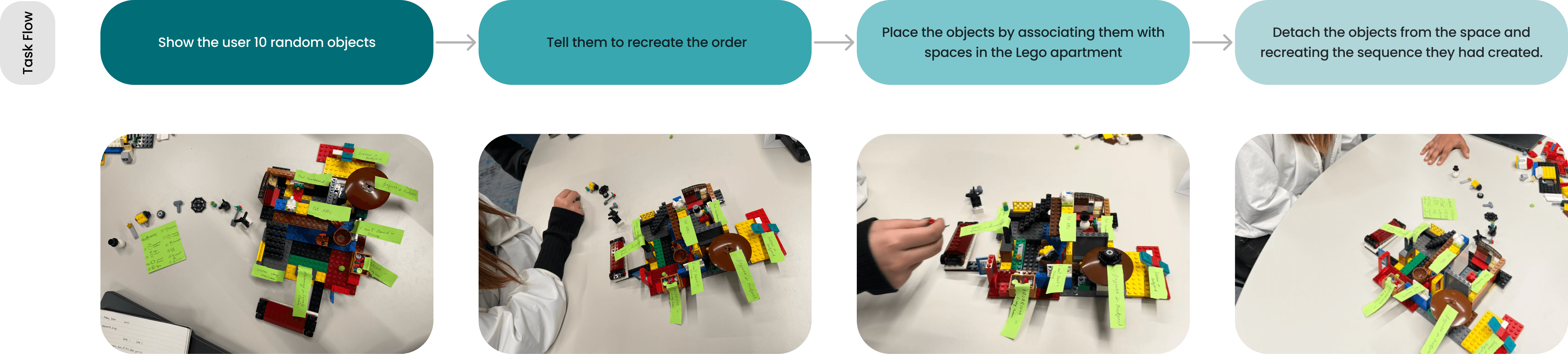
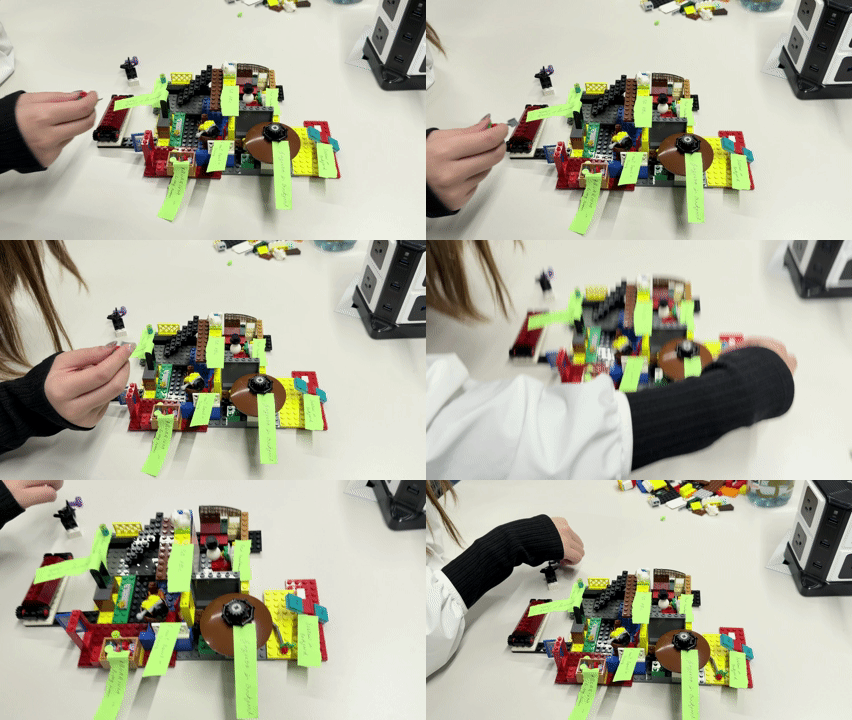
We used a Lego apartment as a memory palace to test spatial recall with 10 objects before moving to VR, helping us understand user behavior before committing to VR development.
VR Prototyping
We built the experience in Unity and later migrated to CoSpaces to create an immersive VR memory palace using the Meta Oculus.
Why VR?
Sketches and Storyboarding
Low-Fidelity Prototyping
How it works
Calming Environment
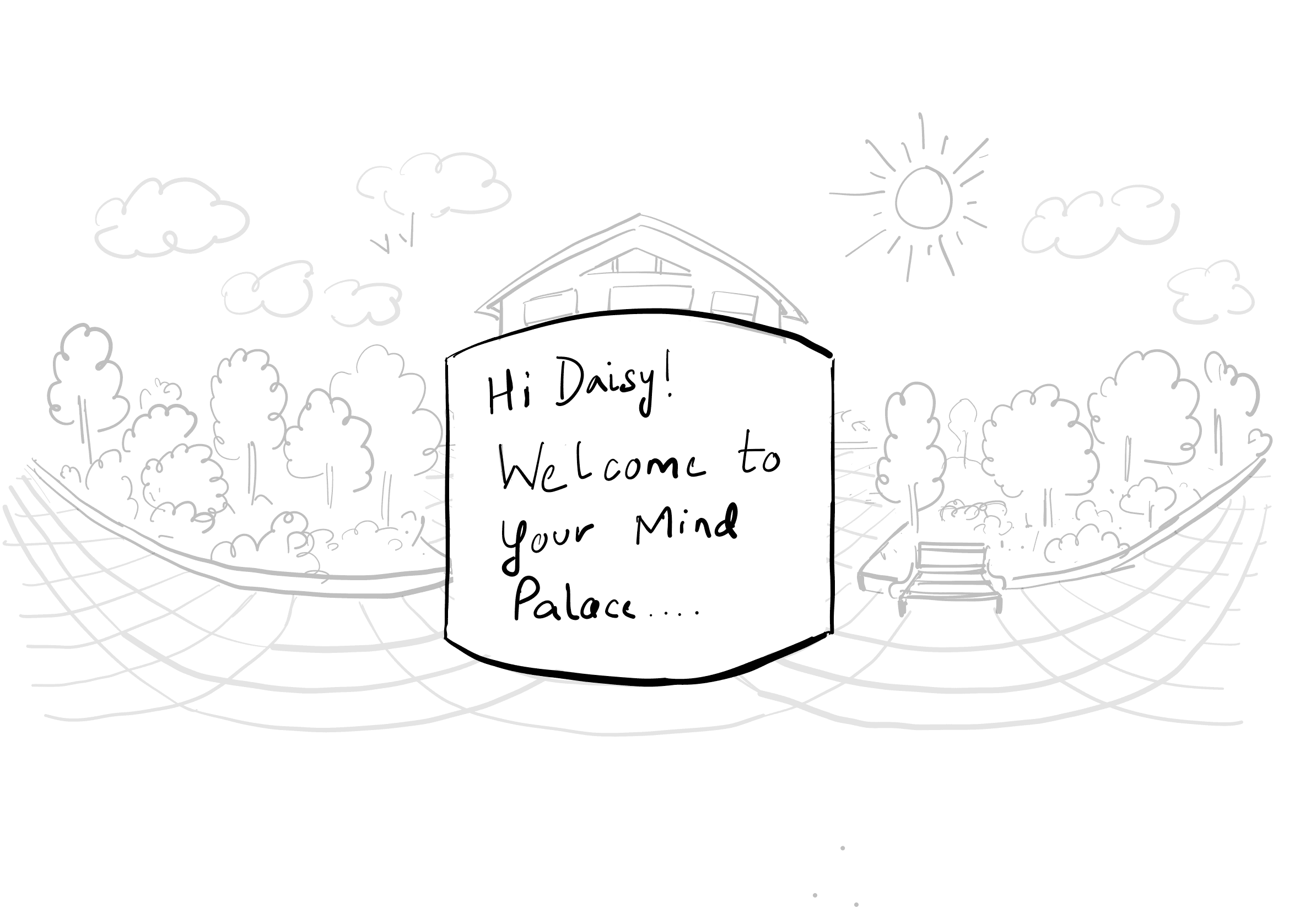
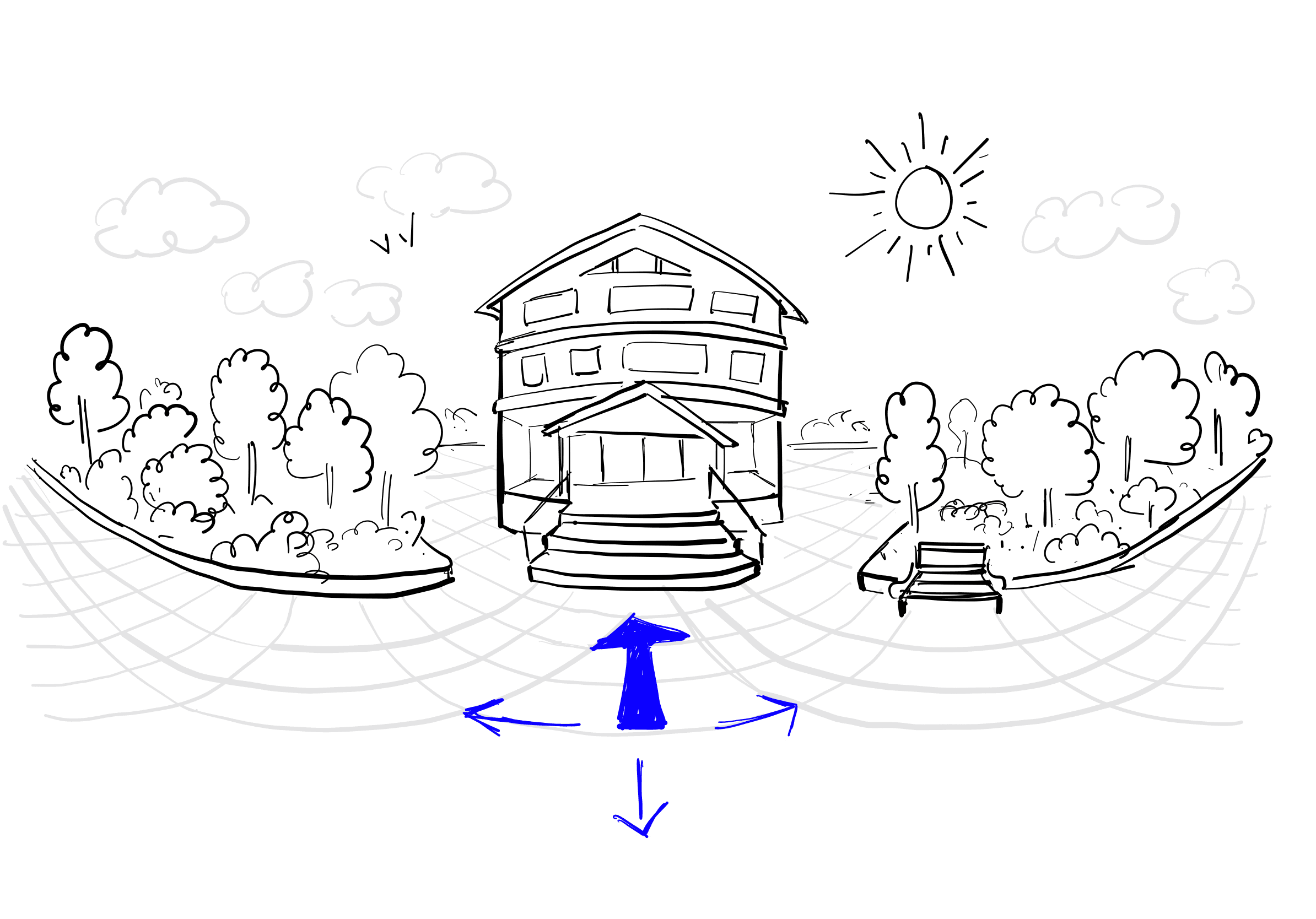
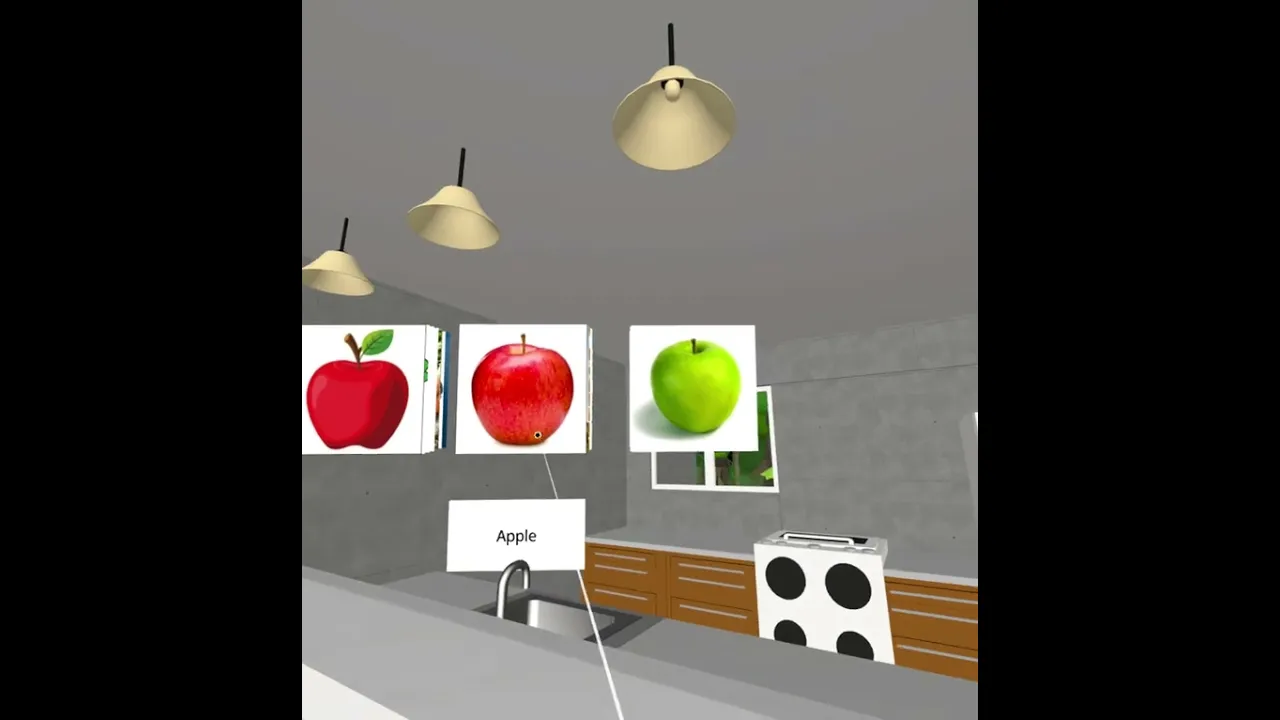
Users start in a familiar, low-pressure VR environment. Research shows that creating a space that feels comfortable and familiar aids memorization.
Personalized Placement
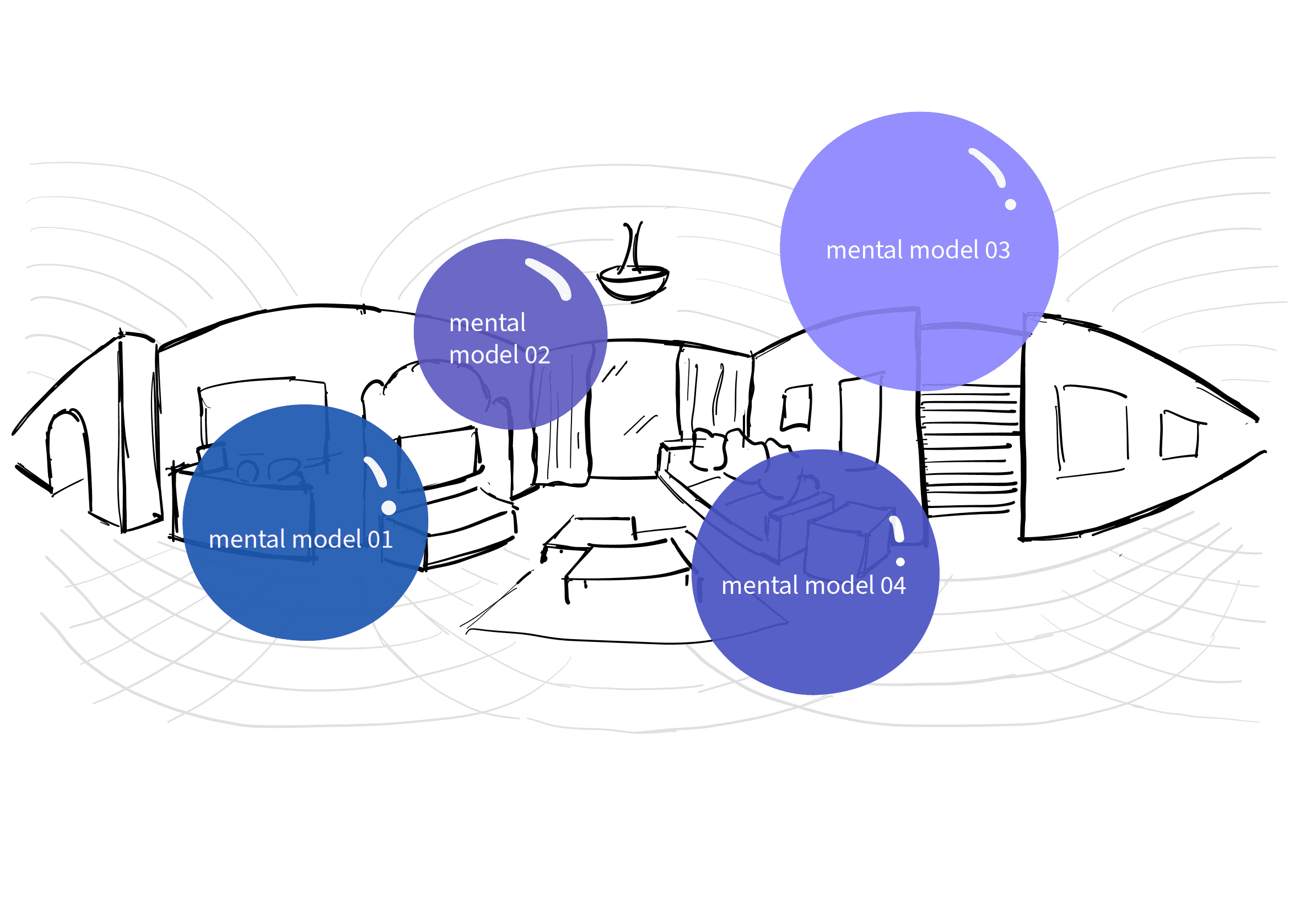
Users see 10 highly imageable words one at a time. Each word comes with three images. Participants choose an image to place in the house, giving them control and personalization, both proven to boost recall.
Active Recall
Users move to an identical version of the house without the images. As they walk through, we ask them to recall what words they saw, where they placed images, and why.
How to take this forward
Reflections
🪝Thorns
Unity complexity: Our team initially prototyped through Unity, which proved unnecessarily difficult for our needs
Research alignment: Executing a VR design for research was challenging without a clear research plan established first
Technical barriers: Constant troubleshooting and debugging slowed our progress
🌹Buds
Technical growth: Working with Unity allowed us to gain resilient programming skills and deeper VR development knowledge
Persistence: We learned the value of troubleshooting and problem-solving under pressure
Resilience: Despite near-constant struggle, we gained an intangible lesson in perseverance and adaptability